

Programs in Los Angeles and across California
Programs and services for fathers
A Fathers Hope runs and coordinates fatherhood programs for fathers and families in Los Angeles and across California. The programs cover parent education, co-parenting support, care coordination, and connections to legal and workforce services. This page describes what each one involves, who it is for, and how to join.
Parent education
Parent education groups cover child development, discipline that works, communication with a co-parent, and what to expect at each stage. Sessions run in groups so fathers hear from other fathers, not only from a facilitator.
If you have a child under five, ask about early childhood and family engagement programs in your county; they often have shorter waitlists than custody-related services. County programs use the same model. Alameda County Fatherhood Initiative offers parent education groups alongside father-centered case management.

Co-parenting support
Co-parenting support is the most requested service in California fatherhood programs, and it is usually delivered through groups, counseling, or consultations. It covers parenting plans, communication rules, handling conflict in front of a child, and what to do when the other parent will not cooperate.
Dads Evoking Change, an Oakland-based nonprofit, offers legal consultations for fathers on co-parenting, child custody, and family-court processes, plus virtual counseling sessions for mothers and fathers. The pairing matters: the legal answer and the relationship answer are rarely the same, and you usually need both.
Care coordination and case management
Care coordination means a named person who knows your situation and follows up. It is the difference between a class schedule and actual help. Alameda County Fatherhood Initiative provides father-centered case management and care coordination as a county public-health program established in 2012.
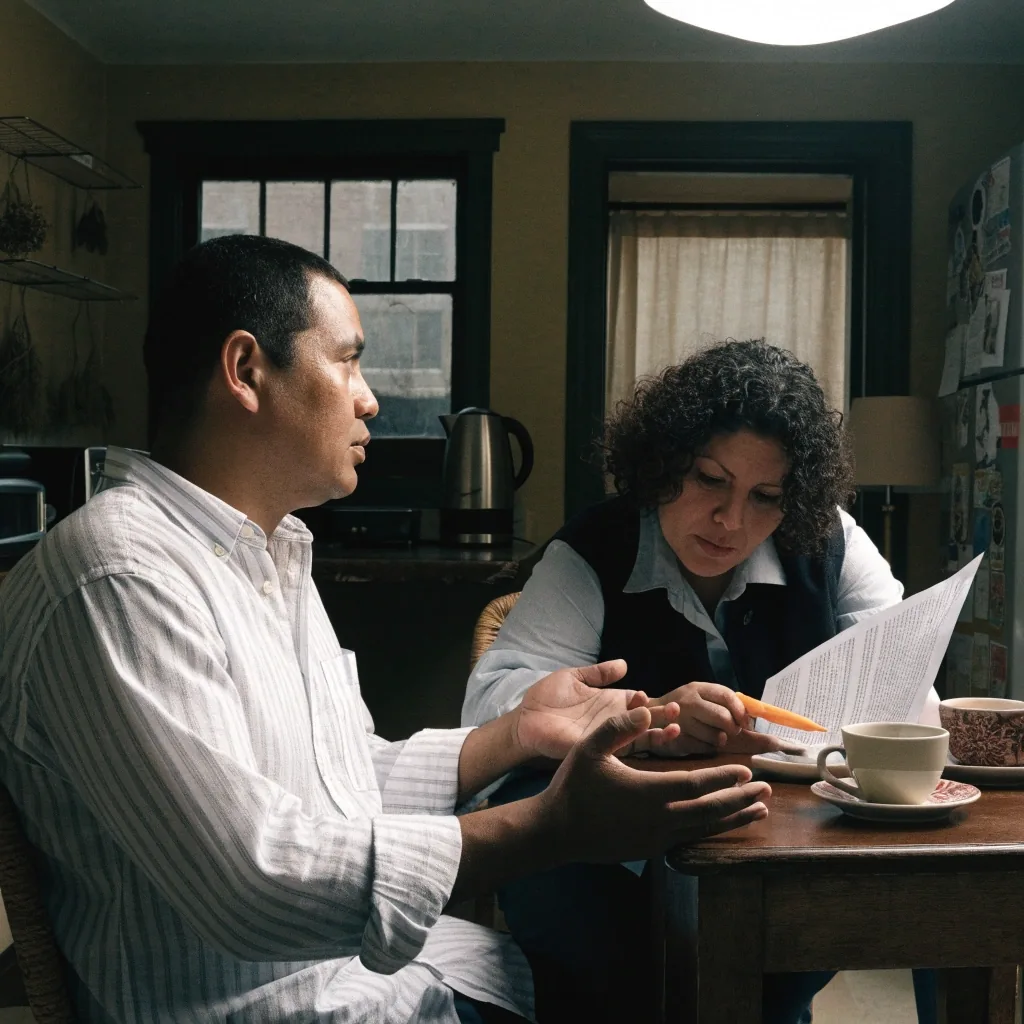
In practice, a case manager helps you set goals, find services, track appointments, and deal with agencies that are hard to reach. If you are juggling court dates, child support, housing, and work, ask for this first.
What a case manager handles
- Setting goals you can act on this month
- Finding services that fit your county
- Tracking appointments and follow-ups
- Working with agencies that are hard to reach
Legal and family court navigation
We do not give legal advice, but we help fathers prepare. That means understanding how custody is structured in California, what a parenting plan should contain, what documents to bring, and how to speak in a hearing.
Several California programs offer legal consultations directly; Dads Evoking Change is one. Our Co-Parenting & Family Court Guide covers the basics in plain language, and our Resources page lists legal clinics by county. Start there before you book anything.
Support groups and peer networks
Peer groups are where most fathers say the real change happens. They are also the hardest service to describe, because the value is in the room. Groups are usually weekly, run 60 to 90 minutes, and are facilitated rather than open-floor. Alameda County Fathers Corps, run through First 5 Alameda County and partnered with county agencies since 2013, serves fathers and father-figures and advocates for father-friendly services. If you want a group near you, contact us with your county and we will tell you what is running.
Workforce, financial literacy, and reentry
Workforce development
Programs increasingly fold in job readiness and placement support alongside parenting work.
Financial literacy
Budgeting and child support basics so fathers can plan around real obligations.
Reentry services
Support for fathers returning from incarceration and rebuilding steady work.
Fathers To Founders is a San Francisco nonprofit listed on Idealist that focuses on underserved and reentry fathers and includes workforce development, financial literacy, and reentry services; it mentions projects such as the Fathers Reconnected Project and the Dad Politics Podcast. If you are returning from incarceration or looking for steady work, ask a program about these services directly. Parenting classes alone will not solve a housing or employment problem, and good programs know that.

How to join a program
Tell us your county and what you are dealing with. We will point you to the program that fits, whether it is ours or a county or community program nearby. Some programs have intake forms; some take a phone call.
Bring what you have, including any court paperwork, and do not wait for a court date to get on a list. Legal clinics in particular book out weeks ahead.
Who is eligible
Fathers and father-figures. Married, separated, divorced, never married, stepfathers, grandparents raising grandchildren, and partners who are parenting.
You do not need formal custody, and you do not need to be current on child support to ask about programs. Eligibility rules differ by program and county, so ask before you rule yourself out. Many California fatherhood programs exist specifically to serve fathers who are not on the birth certificate or who are working through a custody process.
Questions fathers ask first
What services do fatherhood programs actually provide beyond parenting advice?
Parent education is one part. Programs also provide care coordination and case management, co-parenting support, legal consultations on custody and family-court processes, peer support groups, and in some cases workforce and reentry services. Alameda County Fatherhood Initiative delivers case management and parent education groups; Dads Evoking Change adds legal consultations and counseling.
What is the difference between a nonprofit fatherhood program and a government fatherhood initiative?
Government initiatives sit inside county public-health or state agencies and typically have stable case management with slower intake. Alameda County Fatherhood Initiative is a county public-health program. Nonprofits like Dads Evoking Change tend to run legal clinics and peer groups with faster starts. Many fathers use both.
Do I need to be on the birth certificate or have custody?
No. Many California fatherhood programs serve fathers and father-figures regardless of formal custody or paternity status. Eligibility varies by program, so ask when you contact them.
Who runs these programs
A Fathers Hope is a nonprofit supporting fathers and families, registered in California, USA. We are a nonprofit public benefit corporation. Registered Agent: Andrew Croft. Document number B20250291541.
- Organization
- A Fathers Hope
- Legal structure
- Nonprofit public benefit corporation, registered in California, USA
- Registered Agent
- Andrew Croft
- Document number
- B20250291541
- Office
- 4125 S Leimert Blvd, Unit 1, Los Angeles, CA 90008, USA
- Hours
- Monday–Friday, 9:00 AM – 6:00 PM
- [email protected]
Ready to join a program?
Tell us your county and what you are dealing with, and we will point you to the program that fits. You can also volunteer with a program if you want to help.