
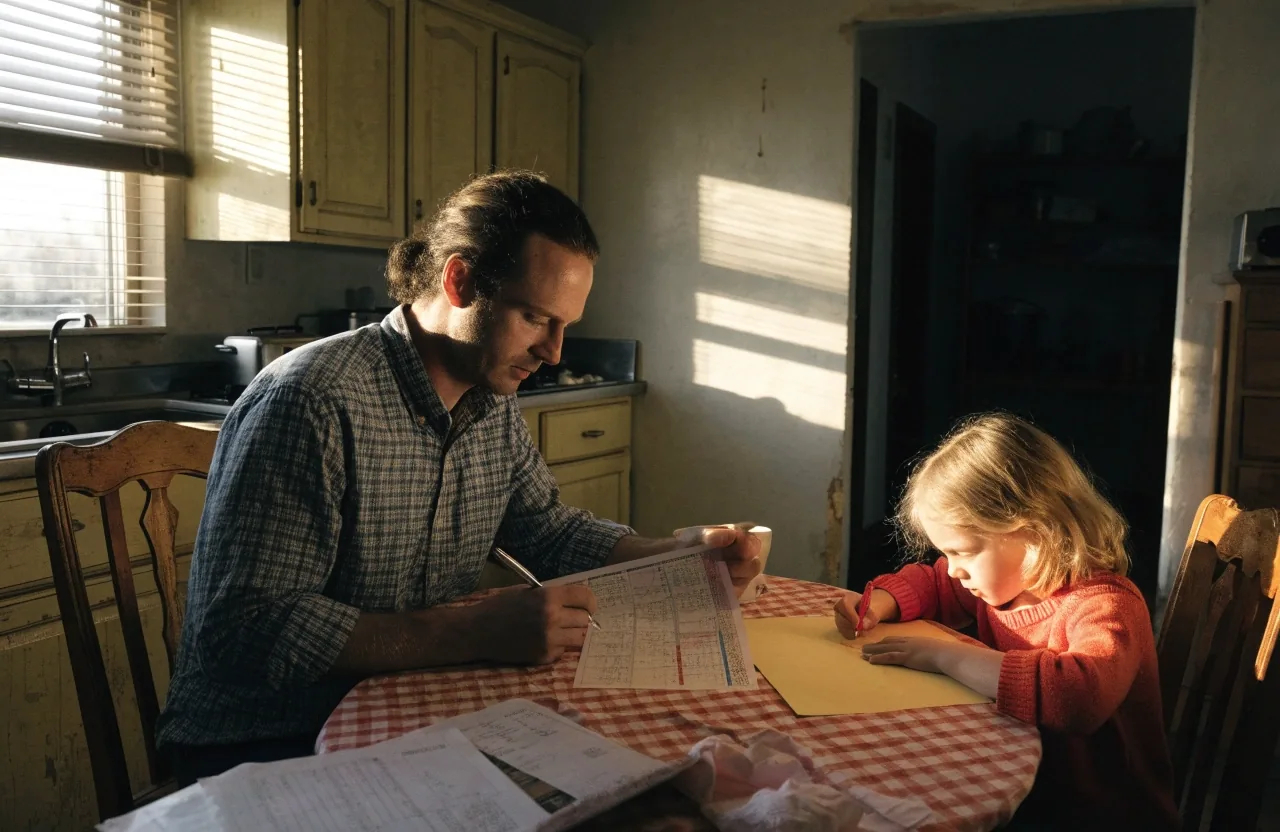
Educational guide for California fathers
Co-parenting and family court guide
This guide explains how co-parenting arrangements, child custody, and family court work in California, and how fathers can prepare for each step. It is educational information, not legal advice. For advice about your specific case, speak with a licensed attorney or a legal clinic.
What co-parenting means in practice
Co-parenting is the ongoing work of raising a child with another person after the relationship between the adults has changed. It covers schedules, decisions about school and medical care, communication rules, and how conflict is handled in front of the child. In California, most fathers are navigating some version of this, whether or not a court order exists.
Programs that pair legal consultations with counseling tend to work better than either alone, because the legal answer and the relationship answer are rarely the same. A court can set a schedule, but it cannot set the tone of a Tuesday evening handoff. That part is built by the parents, often slowly, and it usually improves when both sides know exactly what is expected of them in writing.
- Weekly and holiday schedules, including who drives and where the exchange happens.
- Who consents to medical care, and how quickly the other parent is told about appointments.
- Which channel parents use to talk, and what stays out of conversation in front of the child.
Custody basics in California
California separates custody into two parts: legal custody, which is the right to make decisions about the child, and physical custody, which is where the child lives. Either can be joint or sole. Courts decide based on the best interest of the child, which considers the child's health and safety, the amount of contact with each parent, and each parent's ability to care for the child. Understanding this vocabulary before a hearing helps you follow what is being decided.
Term
Legal custody
The authority to decide on schooling, medical treatment, religion, and other major choices.
Term
Physical custody
Where the child sleeps on a normal week, and which parent handles day-to-day care.
Term
Joint or sole
Either type can be shared between parents or held by one parent. The two types are decided separately.
Standard
Best interest of the child
The test a judge applies, weighing safety, stability, and each parent's involvement and capacity to care.
If you are not sure whether your question is about custody, support, or paternity, start with the county program that handles that system rather than filing paperwork you may not need.
Find legal and county resourcesParenting plans
A parenting plan sets out the schedule, holiday and vacation arrangements, decision-making rules, and how parents will communicate. Many California courts require one. A workable plan is specific: times, locations, and what happens when someone is late. Vague plans create conflict later.
If you are drafting one, write down the details you actually care about, then check whether the plan covers what happens on a school night, a birthday, and a sick day. Those three days expose most of the gaps. Add the answers before you sign, not after a disagreement.

School night
Who handles homework, bedtime, and the morning drop-off, and who is the backup if a shift runs late.
Birthday
How the day is split, whether both parents attend the same party, and how a family event is handled.
Sick day
Who stays home, how the other parent is notified, and what counts as an emergency worth a call.
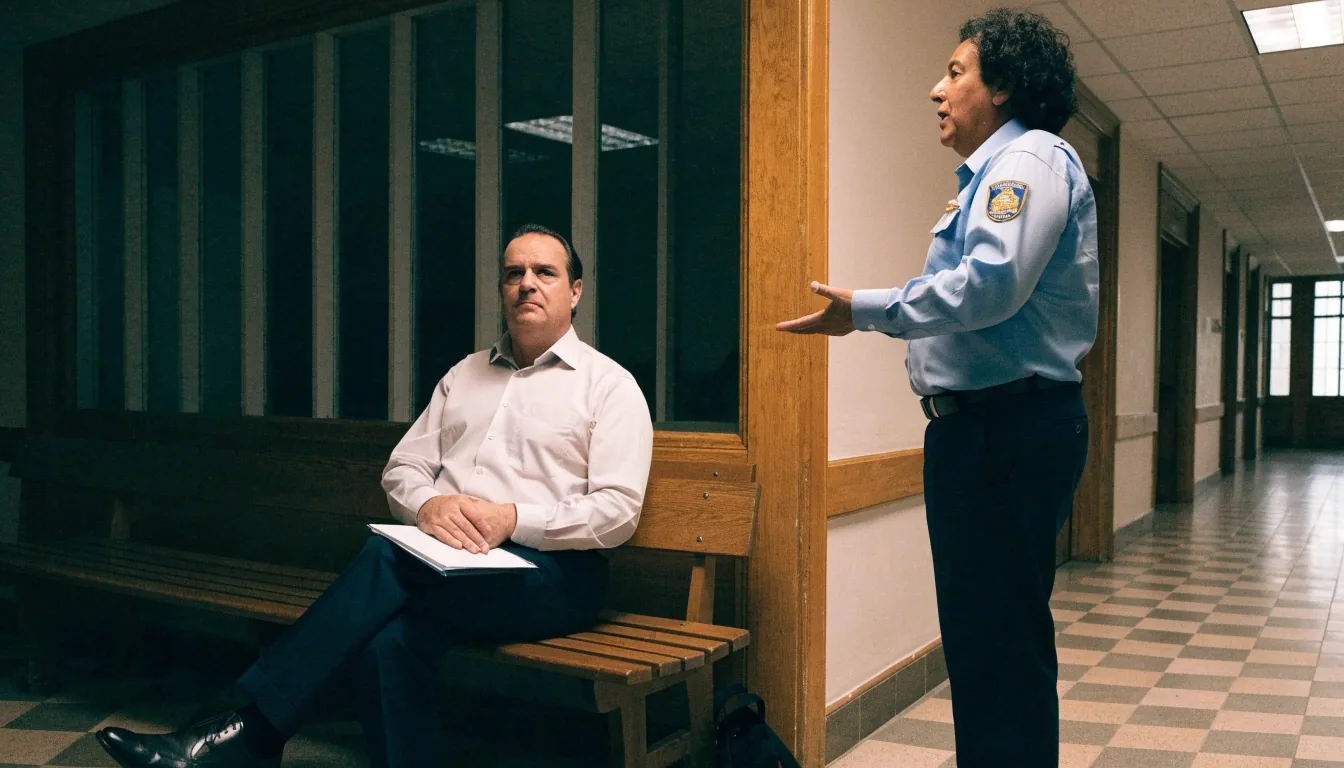
Preparing for a family court hearing
Bring your paperwork, including any existing orders, and arrive early. Courts run on documents, so what you can show matters more than what you can argue. Write down the two or three points you need the judge to understand, in plain language, before you go in.
-
Gather documents
Existing orders, the current parenting plan, school records, and anything showing your involvement week to week.
-
Write your points
Two or three sentences a judge can follow quickly. Practice saying them out loud so nerves do not scramble them.
-
Arrive early
Court calendars move fast and security lines do not. Being in the room when your case is called matters.
Dads Evoking Change, an Oakland-based nonprofit with EIN 83-3068380, offers legal consultations for fathers on co-parenting, child custody, and family-court processes, and legal clinics like it are usually free or low cost. Book weeks ahead; they fill up.
Mediation and alternatives to a hearing
California courts often require parents to attempt mediation before a contested custody hearing. Mediation is a structured conversation with a neutral third party, and it can produce an agreement without a judge deciding for you. It works better when both parents come with specific proposals rather than positions.
If mediation fails, the case goes back to the court, and the mediator may report recommendations. Prepare for mediation the way you would prepare for a hearing: know your schedule, know what you are asking for, and be able to explain why it works for the child.
What mediation is
A scheduled conversation with a neutral professional whose job is to help parents reach a written agreement both can live with.
What to bring
A written proposal for the schedule, your availability, and the practical details you can be flexible on and the ones you cannot.
Co-parenting when communication is difficult
Some co-parenting relationships are workable and some are not. If direct conversation escalates, move communication to a single channel such as email or a co-parenting app, and keep it to logistics. Do not negotiate through the child.

If the other parent will not cooperate, document the pattern and talk to a legal clinic about your options. Keep a dated record of exchanges, missed pickups, and decisions you were left out of. That record is useful whether you end up in mediation or back in front of a judge.
- Move routine scheduling to one channel so there is a record of what was agreed.
- Keep messages short, factual, and free of anything you would not want read aloud.
- Join a support group where fathers work through the same situations with people who have been there.
Our Programs & Services page lists co-parenting support groups where fathers work through exactly this.
Where to get help
Our Resources page lists legal clinics, county programs, and support networks across California. California Child Support Services Empowering Fathers covers support orders and paternity questions, which are handled separately from custody. Alameda County Fatherhood Initiative provides case management and parent education as a county public-health program.
If you are not sure which system your question belongs to, contact us and we will point you in the right direction.
Questions fathers ask first
Is this legal advice?
No. This guide is educational information about how co-parenting, custody, and family court generally work in California. For advice about your case, speak with a licensed attorney or a legal clinic such as Dads Evoking Change.
Do I need a lawyer to get custody?
Not necessarily. California courts allow parents to represent themselves, and mediation often resolves custody without a contested hearing. That said, a legal consultation before a hearing is worth the time, and clinics that serve fathers specifically exist.
How far ahead should I book a legal clinic?
Weeks, not days. Free and low-cost clinics that serve fathers fill their calendars quickly, and a hearing date will not move to accommodate a booking. If you already have a court date, call as soon as you receive it.
About A Fathers Hope
A Fathers Hope is a nonprofit supporting fathers and families, registered in California, USA. We are organized as a nonprofit public benefit corporation, which means the organization exists to serve a public purpose rather than to distribute profit. Our educational resources, fatherhood programs, and family support guidance serve fathers and families in Los Angeles and across California.
Registered Agent: Andrew Croft. California entity document number: B20250291541. If you need these details for a grant application, a court filing, or a partner inquiry, they are the correct references for this organization.
Reach the office
- 4125 S Leimert Blvd, Unit 1, Los Angeles, CA 90008, USA
- +1 217-536-8176
- [email protected]
- Monday–Friday, 9:00 AM – 6:00 PM